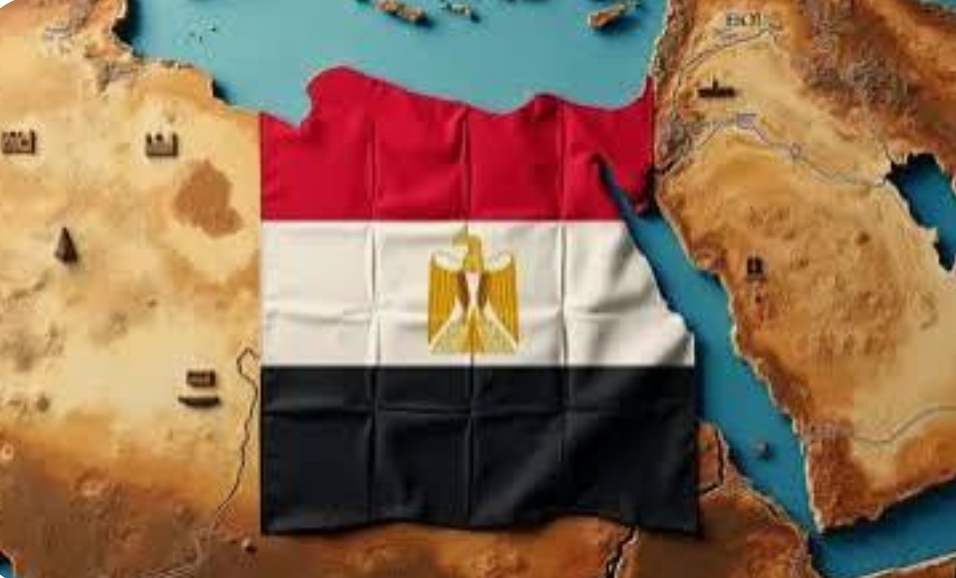
Tourism in Egypt
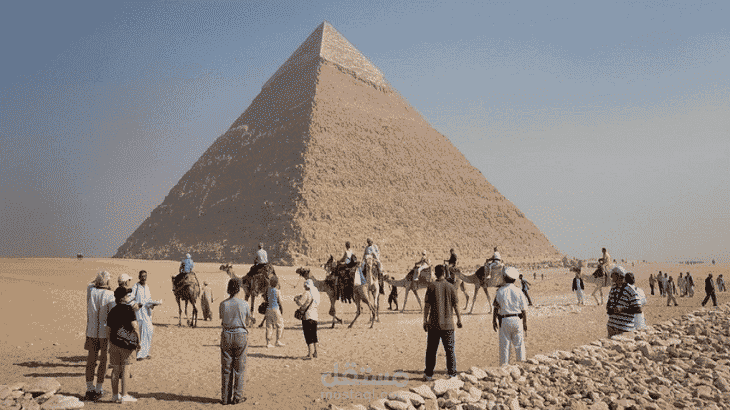


Tourism refers to the travel of an individual or a group of people to regions or countries other than those in which they normally reside, for a variety of purposes. Tourism can be classified into several types. When an individual travels alone, it is known as individual tourism, while travel undertaken by groups is referred to as group tourism. Tourism that takes place within the borders of the same country is called domestic tourism, whereas travelling outside one’s home country is known as international or outbound tourism.
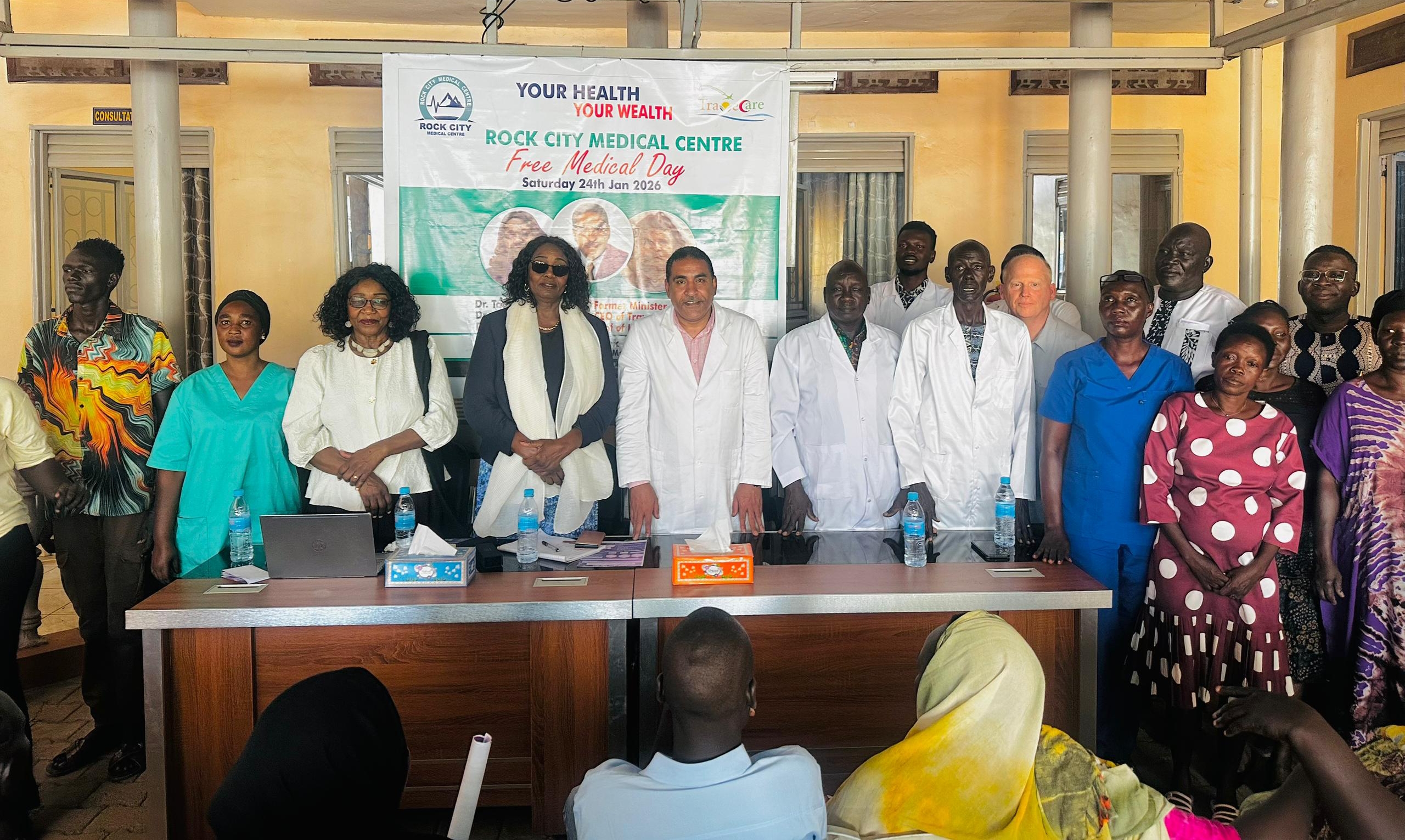
Tourism can also be classified according to its purpose. Religious tourism, for example, involves visiting religious landmarks and sites and learning about the religious heritage and traditions of different countries. Medical and health tourism involves travelling to particular destinations that are known for their therapeutic or natural healing resources, such as mineral waters, seas, waterfalls, lakes, and other natural environments that may contribute to health and well-being.
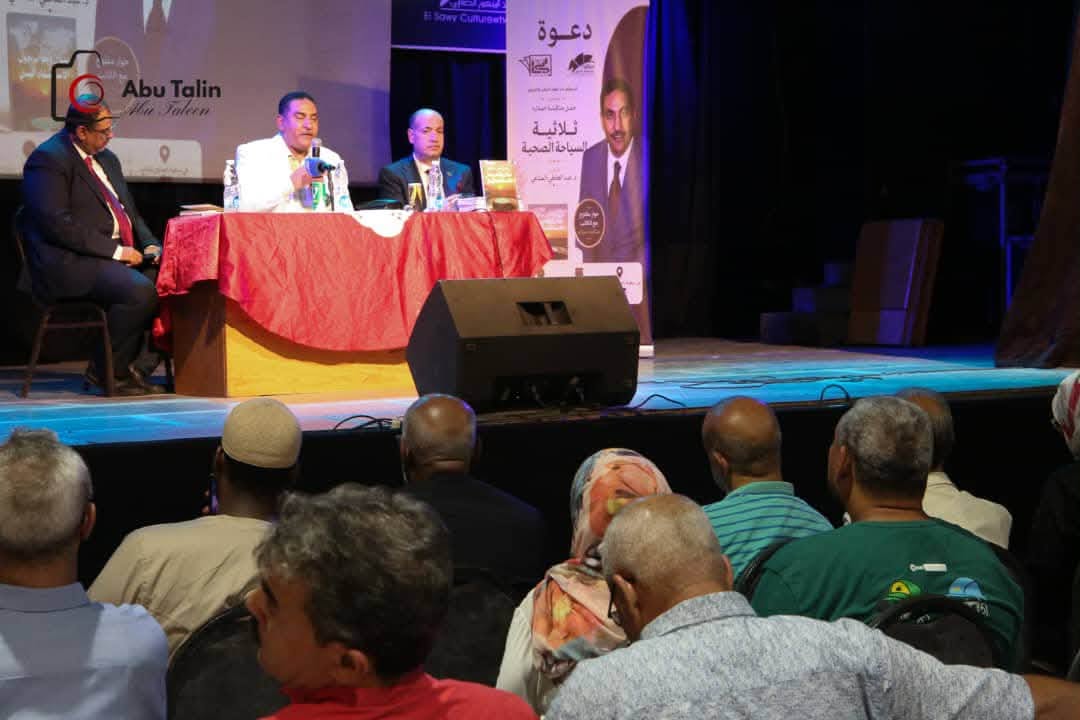
There is also scientific and educational tourism, which aims at acquiring knowledge, attending scientific exhibitions, conferences, or educational activities. Other forms include tourism intended to explore ancient and contemporary civilizations and their landmarks, as well as cultural tourism, among many other types.
The Importance of Tourism
Like many other economic and social activities, tourism provides significant benefits to individuals, societies, and countries.
For individuals, tourism contributes to expanding knowledge and cultural awareness by enabling travellers to learn about the history, civilization, customs, and traditions of different nations. It allows people to observe and compare different cultures and to benefit from the historical and spiritual experiences offered by religious and heritage tourism.
Tourism also helps people improve their communication skills and develop their knowledge of foreign languages through interaction with people from different countries, particularly when staying abroad for extended periods. It is also an effective way of making productive use of leisure time, away from inactivity and boredom.
In some cases, tourism can also create professional and commercial opportunities. Travellers may establish new relationships, explore business opportunities, and meet people who can contribute positively to their professional and personal development.
For countries, tourism is one of the most important economic sectors and can contribute substantially to national income. It creates employment opportunities for young people, supports numerous industries and services, and acts as an important driver of economic activity.
Tourism also serves as a gateway for attracting investment and promoting a country internationally. A strong tourism sector can enhance a nation’s image, demonstrate its cultural and developmental achievements, and contribute to its prosperity and progress among other countries.
Our Responsibility Toward Tourists
Tourists are naturally attracted to destinations where they receive proper attention, hospitality, and respectful treatment, in addition to finding the attractions and experiences they seek.
The way local people communicate and interact with visitors can either encourage tourists to return or discourage them from visiting again. Therefore, we have a responsibility to treat tourists with courtesy and respect in a manner that reflects our values, traditions, and hospitality.
We should never provide misleading information, exploit visitors financially, or allow them to be subjected to any form of exploitation. We also have a responsibility to preserve the country’s cultural, historical, and natural landmarks and to maintain cleanliness in tourist destinations.
At the same time, governments and relevant authorities should continuously maintain and develop tourist attractions, improve tourism services and infrastructure, and promote the country through effective tourism campaigns capable of attracting more international and domestic visitors.
Conclusion
Tourism offers an important opportunity to refresh the mind, improve psychological well-being, broaden knowledge, and enrich a person’s cultural experience whenever travelling is possible.
At the same time, every citizen has a responsibility to respect and welcome tourists, as the behaviour of local communities plays an important role in shaping the image of the country