The Divided Reality



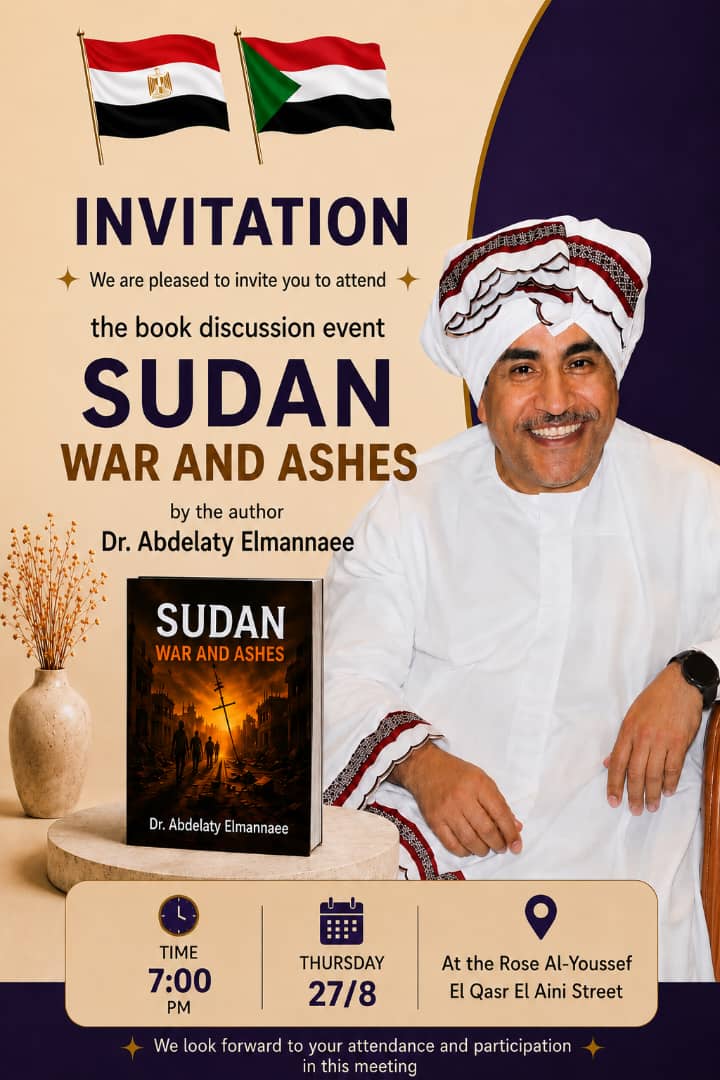
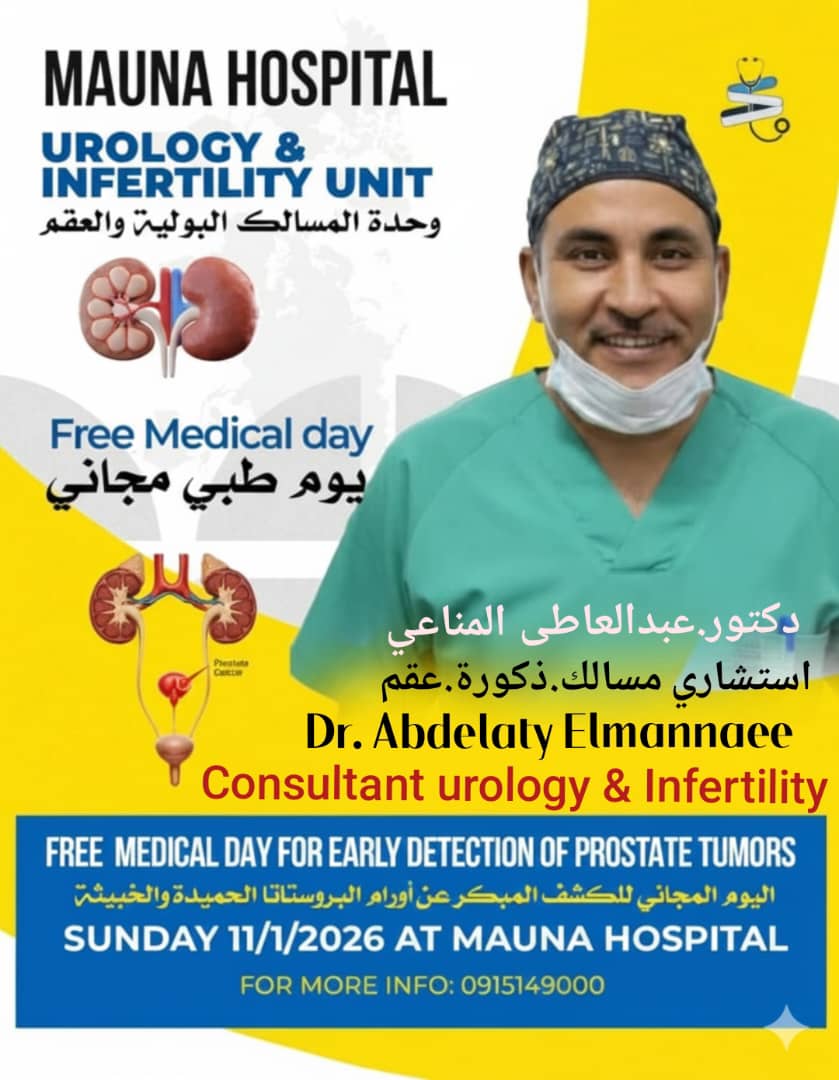
By Dr. Abdelaty Elmannaee
In societies devastated by war and collapse, destruction is not always visible. Buildings may fall, institutions may stop functioning, streets may empty, and essential services may disappear. Yet the most dangerous damage often begins when division moves from geography into the human being himself.
This is what I call “the divided reality”: a condition in which conflict is no longer only political or military, but psychological, emotional, and spiritual.
People who live through prolonged violence rarely emerge unchanged. Their relationship with place, memory, trust, and even with themselves may be transformed. A city once associated with safety can become a symbol of fear. A home can turn into a painful memory. A familiar road can become a reminder of an experience one wishes never to relive.
The sound of weapons may eventually disappear, but its echo can remain for years.
This is especially painful when we think of children, who may carry memories far heavier than their age should allow. A child who grows up surrounded by fear may learn suspicion before trust and survival before hope.
When fear lasts too long, it stops being a temporary emotion and becomes a way of thinking.
This is why societies emerging from conflict need more than physical reconstruction. Roads, schools, hospitals, and institutions can be rebuilt through budgets and engineering plans. Rebuilding the human being is far more difficult.
There is also a deeper form of damage: spiritual division.
A person may continue to love his homeland while feeling angry with it. He may long to return while fearing what return might mean. He may want to forget but feel that forgetting would betray those he lost. He may wish to forgive but remain unable to overcome the memory of what happened.
Such contradictions are not signs of weakness. They reveal the depth of the wound.
One of the most dangerous consequences of prolonged conflict is that people begin to disagree not only about politics, but about truth itself.
Each group develops its own narrative. Over time, these narratives can become closed identities. Recognizing another person’s suffering may be interpreted as denying one’s own. Compassion becomes politicized, and even grief becomes part of the conflict.
Then comes the ethical crisis.
Victims begin to be ranked. Pain becomes a competition. People ask who suffered more and who deserves greater sympathy.
No society can heal this way.
Pain does not need classification, and human dignity should never depend on identity, geography, ethnicity, or political affiliation.
A divided reality also changes language. Words that were once ordinary become charged with suspicion. Names, regions, and affiliations begin to define people before their humanity is considered.
At that point, division may become more dangerous than the war itself.
Wars can end with agreements. Hatred, mistrust, and stereotypes can survive for generations.
For this reason, any serious peace process must begin with the human being.
Peace is not merely a signed document, an official ceremony, or a photograph of former adversaries. Real peace begins when a child can grow without inheriting hatred he did not create, when neighbors can trust one another again, and when people feel that their dignity is protected regardless of their identity or opinion.
There can be no genuine recovery without justice. Asking people to forget before acknowledging what they endured does not create reconciliation; it merely postpones another crisis.
But justice must never become another name for revenge.
True justice protects memory without turning it into a weapon. It recognizes victims without creating new ones. It establishes accountability without transforming society into an endless battlefield of accusations.
Reconciliation does not mean erasing the past.
It means learning from it without continuing to live inside it.
It means remembering those who were lost without passing hatred to the next generation.
It means refusing to allow yesterday’s violence to determine tomorrow’s identity.
Intellectuals, journalists, religious leaders, academics, and community figures therefore carry a major responsibility. In divided societies, language can become either medicine or fuel.
A single phrase can reduce tension; another can reopen a wound.
Wounded societies do not need more incitement. They need enlightened discourse that restores the human being to the center of the conversation.
They need to speak about mothers who lost children, families that were separated, elderly people who lost their homes, and children carrying memories they should never have had to experience.
Above all, they need one thing:
Trust.
Trust cannot be imposed by law or created through slogans. It is built slowly through justice, transparency, recognition, and the conviction that everyone has a place in the future.
A divided reality is not a permanent destiny.
Societies can recover even after their darkest periods, but recovery requires courage: the courage to face wounds rather than hide them, and the courage to move from the question “Who won?” to the far more important question:
“How do we restore the human being?”
Nations do not recover only by rebuilding bridges, schools, and hospitals. They recover by rebuilding the people who will cross those bridges, enter those hospitals, and send their children to those schools.
The most dangerous wars are not always those fought in the streets.
They are the wars that continue inside human beings after the weapons fall silent.
And the greatest victory is not simply the end of gunfire.
It is the moment when people once again believe that what unites them can be stronger than what divided them.