Healthy nutrition for pregnant women
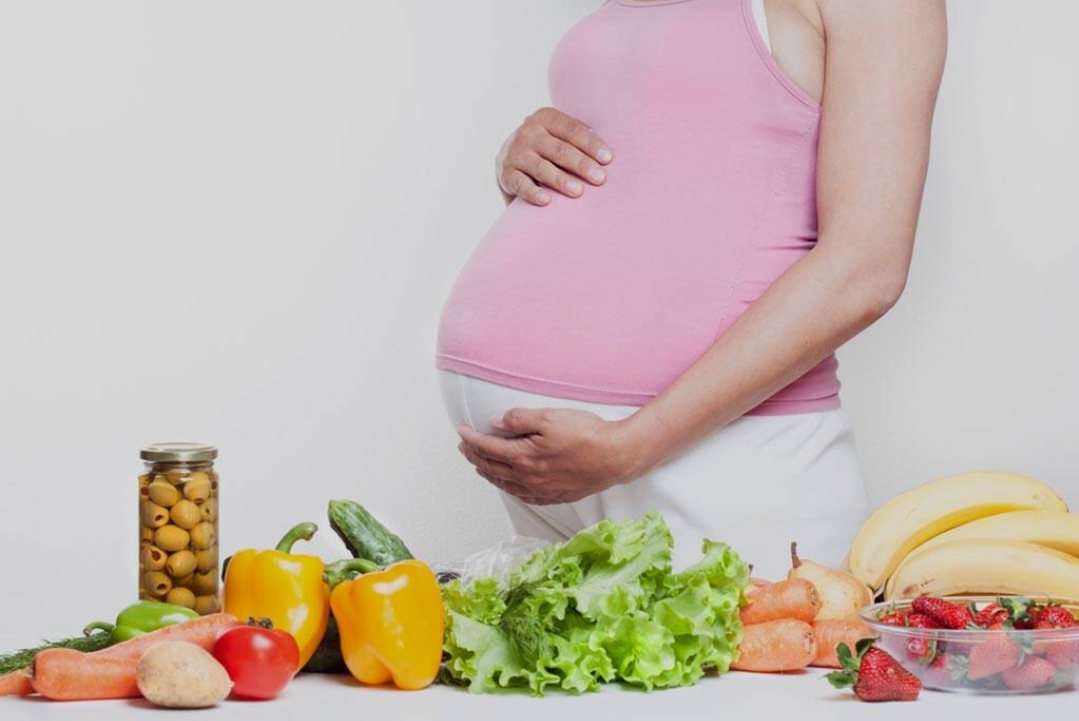


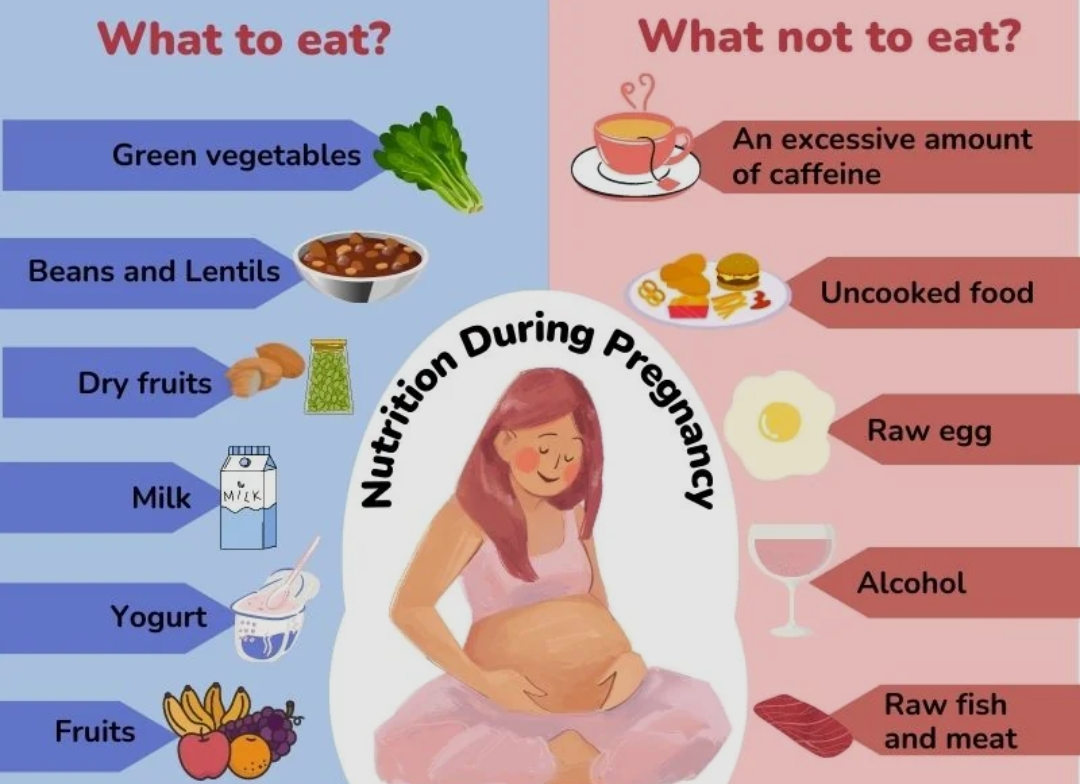
Healthy nutrition for pregnant women is based on varying the diet and focusing on key nutrients such as folate, iron, and vitamin D, while drinking enough water and avoiding highly processed foods.
Health sources also recommend regular meals, appropriate prenatal supplements, and avoiding high doses of vitamin A and certain types of fish high in mercury.
Key nutrients
Folic acid: very important in early pregnancy to support the development of the baby’s nervous system.
Iron: helps prevent anemia and supports the body’s increased needs during pregnancy.
Calcium and vitamin D: important for the development of the baby’s bones and teeth.
Protein: good sources include lean meat, poultry, eggs, legumes, and nuts.
Fiber and water: help reduce constipation and improve digestion during pregnancy.
What is recommended daily
3 main meals with 2 to 3 snacks.
A variety of vegetables and fruits every day.
Whole grains instead of refined grains.
Different protein sources such as eggs, legumes, poultry, and safe fish.
Drinking a good amount of water throughout the day.
What to avoid
Highly processed foods and foods rich in saturated fat.
High-dose vitamin A supplements.
Fish known to be high in mercury or otherwise unsafe during pregnancy.
Any food that is undercooked or not safely prepared.
Practical example
A suitable breakfast could be: whole-grain bread with eggs and vegetables, plus a glass of milk or yogurt and a piece of fruit. This kind of meal combines protein, fiber, and calcium in a simple and balanced way.