How Does Environmental Tourism Create Our Happiness?


In an era where the pace of life continues to accelerate and psychological and physical pressures increase day after day, people are constantly searching for ways to restore their inner balance and achieve genuine happiness. Among the most promising modern approaches is Environmental Healing Tourism, which combines the beauty of nature with health improvement and an enhanced quality of life.
Happiness is not merely a temporary emotion; rather, it is the result of a harmonious balance between physical, mental, and social well-being. When people spend time in a clean natural environment, away from noise, pollution, and the pressures of daily life, their bodies begin to regain vitality, their minds become clearer, and their psychological well-being improves significantly. This is where the true value of Environmental Healing Tourism lies.
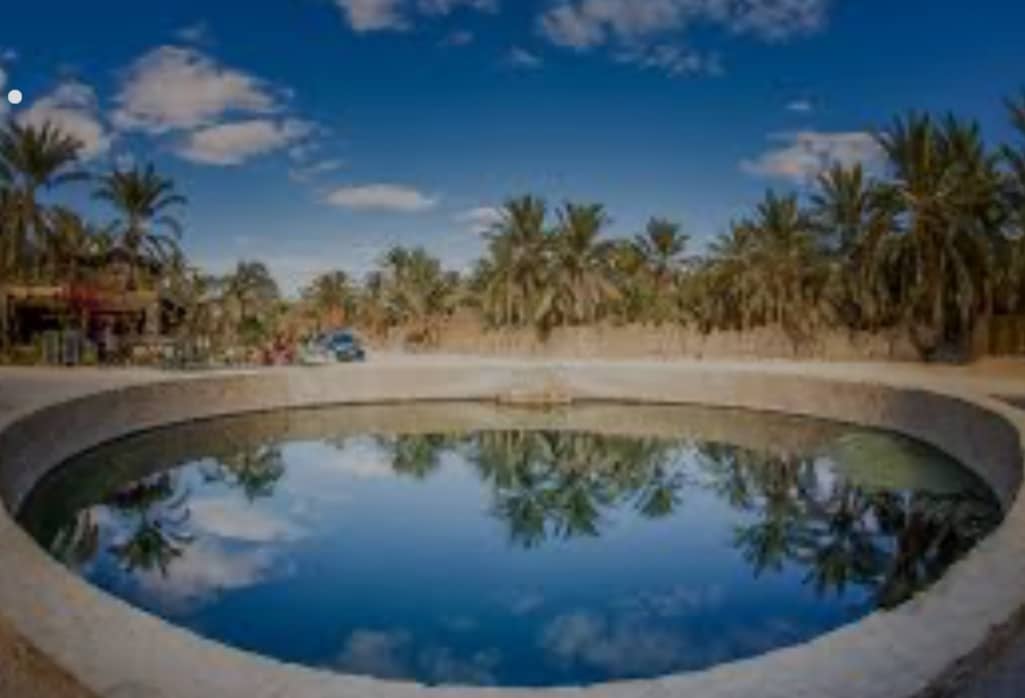
Environmental Healing Tourism is based on utilizing natural resources with therapeutic properties, including clean air, moderate sunlight, mineral waters, sulfur springs, therapeutic sands, healthy climates, green landscapes, mountains, seas, and oases. Together, these natural elements form an integrated healing environment that enhances physical and mental health, often with little or no direct medical intervention.
Numerous scientific studies have demonstrated that spending time in natural environments helps reduce stress hormone levels, improve sleep quality, strengthen the immune system, lower blood pressure, enhance concentration and creativity, and stimulate the production of happiness hormones such as endorphins, serotonin, and dopamine. These neurochemicals play a vital role in promoting feelings of comfort, satisfaction, optimism, and overall well-being.
The benefits of Environmental Healing Tourism extend beyond health alone to include important social dimensions. Traveling to natural destinations allows families and friends to reconnect away from smartphones and digital screens, strengthening human relationships and reinforcing family bonds—one of the most important foundations of lasting happiness.
Environmental Healing Tourism also provides an opportunity for self-discovery. Walking among trees, meditating by the sea, or sitting beneath the clear desert sky allows individuals to reflect quietly, reorganize their priorities, and release accumulated psychological stress. For this reason, meditation, yoga, nature walking, and nature-based therapy have become essential components of Environmental Healing Tourism programs in many countries around the world.
From an economic perspective, investing in Environmental Healing Tourism benefits not only individuals but also communities and nations. It creates new employment opportunities, promotes the sustainable development of natural regions, encourages environmental conservation, and supports long-term sustainable growth. The greater the commitment to protecting natural resources, the more these resources become enduring sources of health, happiness, and economic prosperity.
Egypt is among the countries with exceptional potential for Environmental Healing Tourism, thanks to its remarkable environmental and climatic diversity. The country offers coastlines along both the Red Sea and the Mediterranean Sea, natural oases, mountains, sulfur springs, therapeutic sands, and favorable climates in many regions. These unique assets position Egypt to become one of the world's leading destinations for Environmental Healing Tourism, provided these resources are developed according to modern scientific standards.
The future of health tourism is closely linked to Environmental Healing Tourism because its mission extends beyond treating illness to preventing disease, improving quality of life, and promoting happiness. True health is not merely the absence of disease; it is a state of complete physical, psychological, and social balance. This is precisely what the natural environment can provide when its resources are wisely and sustainably utilized.
In conclusion, Environmental Healing Tourism is not a luxury—it is an investment in humanity. It is a journey toward health, tranquility, balance, and happiness. The closer people become to nature, the greater their sense of inner peace, the more renewed their energy, and the stronger their ability to contribute creatively and productively to society. Promoting the culture of Environmental Healing Tourism therefore represents an essential step toward building healthier and happier communities, making nature a fundamental partner in creating a better future for humanity