Health Tourism Trilogy Opens New Horizons for Environmental tourism
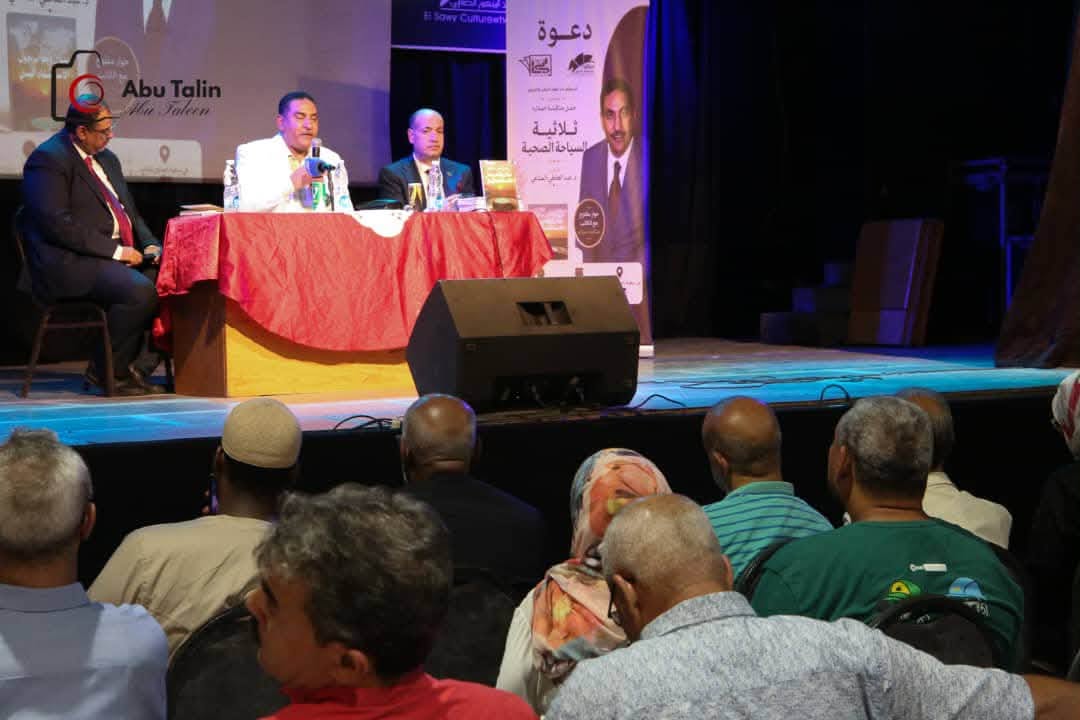


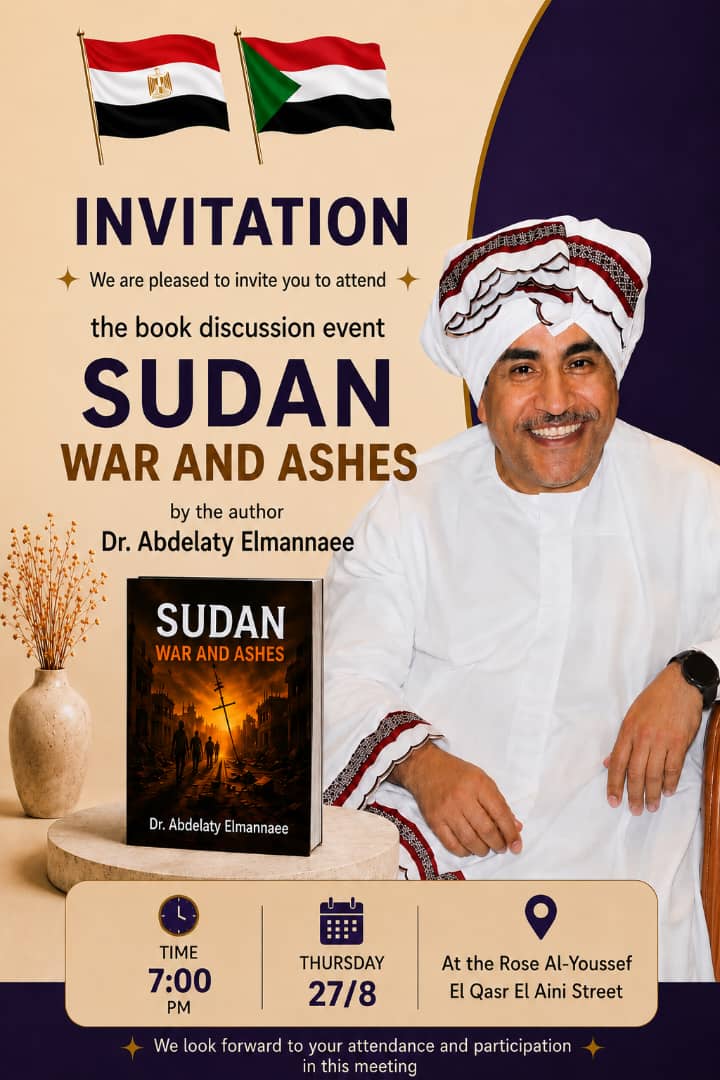
Dr. Abdelaty Elmannaee launched his new book, “The Health Tourism Trilogy: Questions and Answers on Environmental Recuperation,” during a cultural event hosted by El Sawy Culturewheel in Cairo. The event explored the future of health tourism and the promising opportunities offered by this growing sector, particularly in the fields of medical tourism and environmental recuperation.
Dr. Elmannaee emphasized that health tourism has become one of the world’s rapidly growing sectors due to its health, tourism, and economic value. He noted that Egypt possesses significant natural resources and environmental recuperation assets that could form the foundation of a specialized tourism industry capable of attracting both visitors and investment.
He highlighted several examples that reflect the diversity of Egypt’s resources, including Safaga and Hurghada, explaining that transforming such assets into integrated environmental recuperation products and programs requires scientific planning, the development of appropriate service infrastructure, and effective promotion based on clear standards.
Dr. Elmannaee called for the establishment of a comprehensive legislative and regulatory framework for health tourism that clearly defines its concepts and categories, regulates the mechanisms for delivering its services, and determines the responsibilities of the relevant authorities. He stressed the importance of integration between the health and tourism sectors, as well as the role of legislative institutions in creating a well-regulated environment for the movement of patients, visitors, experts, and researchers travelling for treatment, recuperation, education, and other purposes related to this important industry.
He explained that the concept of health tourism extends beyond travelling to receive medical treatment. Rather, it encompasses a broader system of services, including recuperation through natural resources, as well as Accessible Health Tourism, which addresses the needs of older adults, persons with disabilities, and other groups requiring special arrangements and services during travel, accommodation, and the provision of care.
Dr. Elmannaee pointed out that Egypt has a major opportunity to maximize the benefits of its medical, natural, and tourism resources, particularly in light of the country’s ambitious targets to increase tourist arrivals and tourism revenues. He emphasized that health tourism could become one of the specialized tourism segments capable of increasing the economic value of Egypt’s tourism product.
On the academic front, Dr. Elmannaee stressed the importance of building partnerships between universities and specialized institutions to advance education and scientific research in health tourism through academic programs, scholarships, professional training, and the exchange of expertise. Such initiatives, he noted, would contribute to preparing qualified professionals who combine health, tourism, administrative, and human-centered knowledge and skills.
In this context, he referred to his establishment of the Faculty of Health Tourism, designed to graduate specialists across the various fields related to health tourism, in cooperation with the University of Barcelona, as a step toward supporting specialized academic programs in this field. He emphasized that education and professional qualification represent fundamental pillars for building a sustainable health tourism industry across the Arab and African regions.
The book “The Health Tourism Trilogy: Questions and Answers on Environmental Recuperation” presents an accessible introduction to the concepts of health tourism and environmental recuperation through a question-and-answer format. It aims to bring this specialized field closer to the general reader, raise awareness of its health, economic, and tourism dimensions, and highlight the natural resources that can be utilized to develop specialized health tourism destinations.