What Do You Know About Ayurveda?.
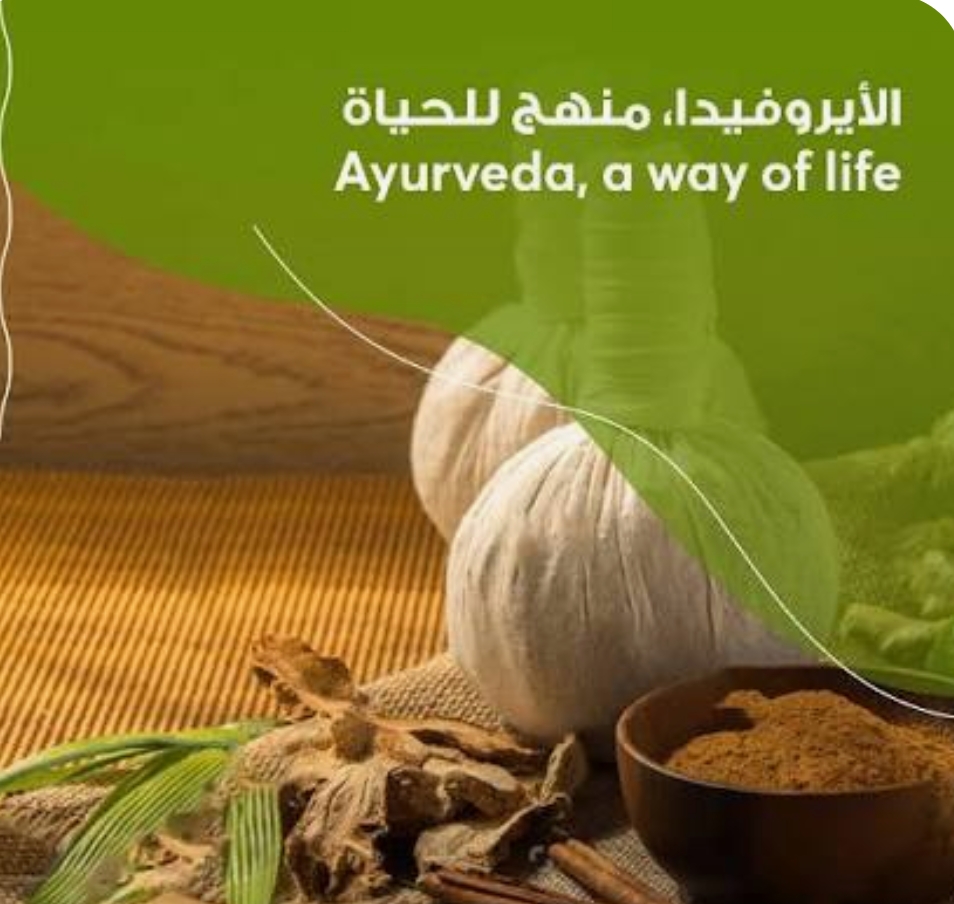


Ayurveda, also known as the "Science of Life," represents one of the world's oldest traditional medicine systems, originating in India over 5,000 years ago.Its philosophy focuses on achieving comprehensive balance between the body, mind, and spirit to prevent diseases and treat them using natural means such as herbs and diet.Historical Origins
The roots of Ayurveda trace back to ancient Vedic texts like the "Atharva Veda," and it later evolved through foundational books such as the "Charaka Samhita" and "Sushruta Samhita." Scholars like Sushruta contributed to advanced surgical techniques, such as rhinoplasty and lithotomy, making it a comprehensive medical system that combines preventive and curative medicine.
Key Philosophical Principles
It is based on five cosmic elements: ether, air, fire, water, and earth, which form the three primary humors or "doshas": Vata (associated with movement and air, characterized by dryness and cold), Pitta (associated with transformation and heat, being sharp and fluid), and Kapha (associated with cohesion and phlegm, heavy and cold). A person's type or "prakriti" is determined by the dominance of a particular dosha, and disease occurs when this balance is disrupted, so treatments aim to restore it through lifestyle and nutrition modifications.
Diagnosis and Treatment Methods
Diagnosis relies on eight main methods, including pulse, urine, tongue, and general appearance examination. Treatments include herbal medicines like Ashwagandha and Triphala to boost immunity, warm oil massages, yoga and meditation to calm the mind, as well as advanced purification procedures known as "Panchakarma," which involve induced vomiting, purgation, and fluid pouring. Ayurvedic medicine is classified into eight branches covering surgery, toxicology, and rejuvenation.
Health Benefits and Applications
Ayurveda is effectively used to treat stress, inflammations, digestive issues, and diabetes, with an emphasis on prevention through a customized diet that prefers warm foods for Vata or cooling foods for Pitta. In India, about 80% of the population relies on it partially, and its global market exceeds $4.5 billion, with integration into complementary medicine in countries like Nepal and Sri Lanka.
Risks and Warnings
It faces criticism due to some preparations containing toxic heavy metals like lead and mercury, which can lead to poisoning, especially in unregulated products. It lacks strong scientific evidence for treating serious diseases like cancer, and organizations like the World Health Organization warn against using it without specialist supervision.
Global Spread and Future Prospects
It spread to the West in the 1970s through teachers like Baba Hari Dass and is now practiced as complementary medicine in Europe and America. It is supported by India's Ministry of AYUSH, with ongoing research to integrate it with modern medicine, making it a promising option for holistic health provided quality and regulation are adhered to