Where Does Africa Stand in the Health Tourism Industry?
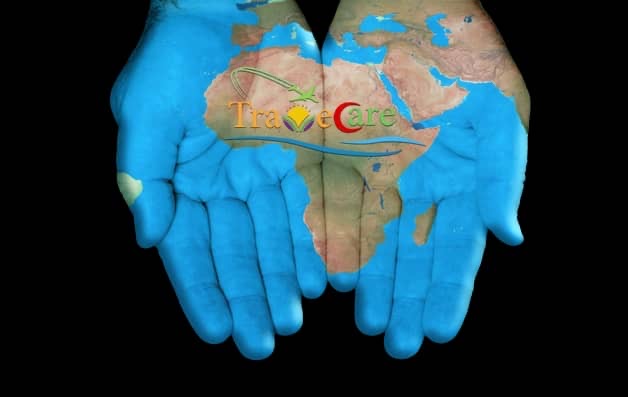


The Continent of Deferred Opportunities Between Vast Potential and Complex Challenges
On the global map of health tourism, Africa still stands at a historic crossroads. It is a continent endowed with natural resources, environmental diversity, and deep human richness that qualify it to become a key player in one of the fastest-growing industries in the world. Yet, it has not secured its rightful place on the international competitive landscape. The real question is no longer can Africa do it, but rather when and how?
Health Tourism: An Industry Beyond Treatment
Health tourism is no longer merely about patients traveling from one country to another for lower-cost surgical procedures. It has evolved into an integrated ecosystem that combines medical treatment, natural healing, preventive healthcare, rehabilitation, and quality of life. Countries such as India, Thailand, Turkey, and Germany have succeeded because they approached this industry as a cross-sector economy, linking healthcare, tourism, investment, education, and media.
Africa: An Untapped Healing Treasure
Africa possesses a unique natural healing wealth: mineral and sulfur springs, diverse therapeutic climates, environmentally rich coastlines, healing deserts, and tropical forests with high psychological and rehabilitative value. From North to South Africa, from desert oases to East African highlands, the continent offers environmental healing assets sought today by global health elites.
The paradox, however, is that these resources are either underutilized locally or left without scientific and marketing integration, while similar concepts are exported and successfully marketed by countries that lack such natural advantages.
The Current Position: Outside the Circle of Influence
Despite its immense potential, Africa remains outside the world’s top ten health tourism destinations, except for limited experiences in countries such as Egypt, Tunisia, Morocco, South Africa, and Rwanda. African participation is largely confined to traditional medical tourism rather than the broader, integrated health tourism model.
This is not due to a lack of medical expertise—Africa exports highly skilled physicians to Europe and the Gulf—but rather the absence of a strategic vision, healthcare policies disconnected from economic and tourism dimensions, and weak, structured international partnerships.
The Challenges: Why Has Africa Lagged Behind?
-
The absence of a clear legislative and regulatory framework for health tourism.
-
Weak integrated infrastructure (transportation, medical hotels, post-treatment services).
-
The lack of a unified or national health tourism brand.
-
Traditional, non-scientific marketing that fails to address the international market.
-
Fragmentation between sectors, with healthcare operating separately from tourism and investment.
The Possible Shift: From the Margins to the Core
What Africa needs is not to replicate Asian or European models, but to build its own African model based on:
-
Affordable Health Tourism
-
Environmental and preventive healing
-
Integration of modern medicine with scientifically validated traditional medicine
-
Linking treatment with culture, environment, and the human experience
The continent also holds a genuine competitive advantage: low cost with achievable quality—an equation that aligns well with the needs of large markets in Eastern Europe, Latin America, the Middle East, and Africa itself.
Africa in the Coming Decade: A Once-in-a-Lifetime Window
The world is rapidly shifting toward preventive medicine, mental health, rehabilitation, and escaping the cold, clinical treatment model in favor of a holistic experience. Here, Africa stands on the threshold of a historic opportunity. With proper investment in training, legislation, smart marketing, and international partnerships, the continent can transition from being a destination for emergency treatment to a global hub for sustainable health.
Conclusion
Africa today is not so much behind as it is underutilized. It possesses all the elements of success, yet they have not been assembled into one clear, coherent project. Its current position in the health tourism industry is that of an observer capable of becoming a key player. The difference between the two is not made by money alone, but by vision, governance, and the belief that health can be a bridge to development rather than a burden upon it.
Africa does not need a miracle—it needs a decision.

.jpg)