Enter it in peace and security


From time to time, voices of shallow pseudo-intellectuals rise, calling for the return of Egypt’s guests to their countries, as if Egypt has grown weary of both its people and its guests alike. They conveniently forget the words repeatedly affirmed by President Abdel Fattah El-Sisi, who refers to them as “Egypt’s guests”—a phrase that reflects the authenticity of the Egyptian people, who for decades have opened their doors to all who arrived seeking refuge, dignity, or an honorable livelihood.
Egypt—through which the caravans of prophets and nations once passed—will, God willing, remain a land of peace and safety. It truly embodies the divine meaning expressed by Almighty God about the eternal abode of tranquility:
“Enter it in peace and security” (Al-Hijr: 46).
It is a divine message that entering places of purity is meant to be under the shelter of peace and safety—two qualities by which Egypt has long been known in the collective conscience of the region’s peoples.
Those who promote such calls justify their distorted ideas by claiming that our guests are a burden on the economy and that they compete with citizens for their livelihoods. Yet reality on the ground—before any figures in spreadsheets—exposes the falsity of these claims.
The experience of our Syrian brothers alone is sufficient as a response. From them, we learned—and witnessed—their remarkable mastery of trade, a field in which they have long excelled, despite the resentment of some and as affirmed by history itself. They brought new vitality to food markets, clothing trade, perfumes, and sweets, revitalizing commercial activity, creating job opportunities, and raising standards of quality and competitiveness—until their economic presence became a positive hallmark rather than a negative one.
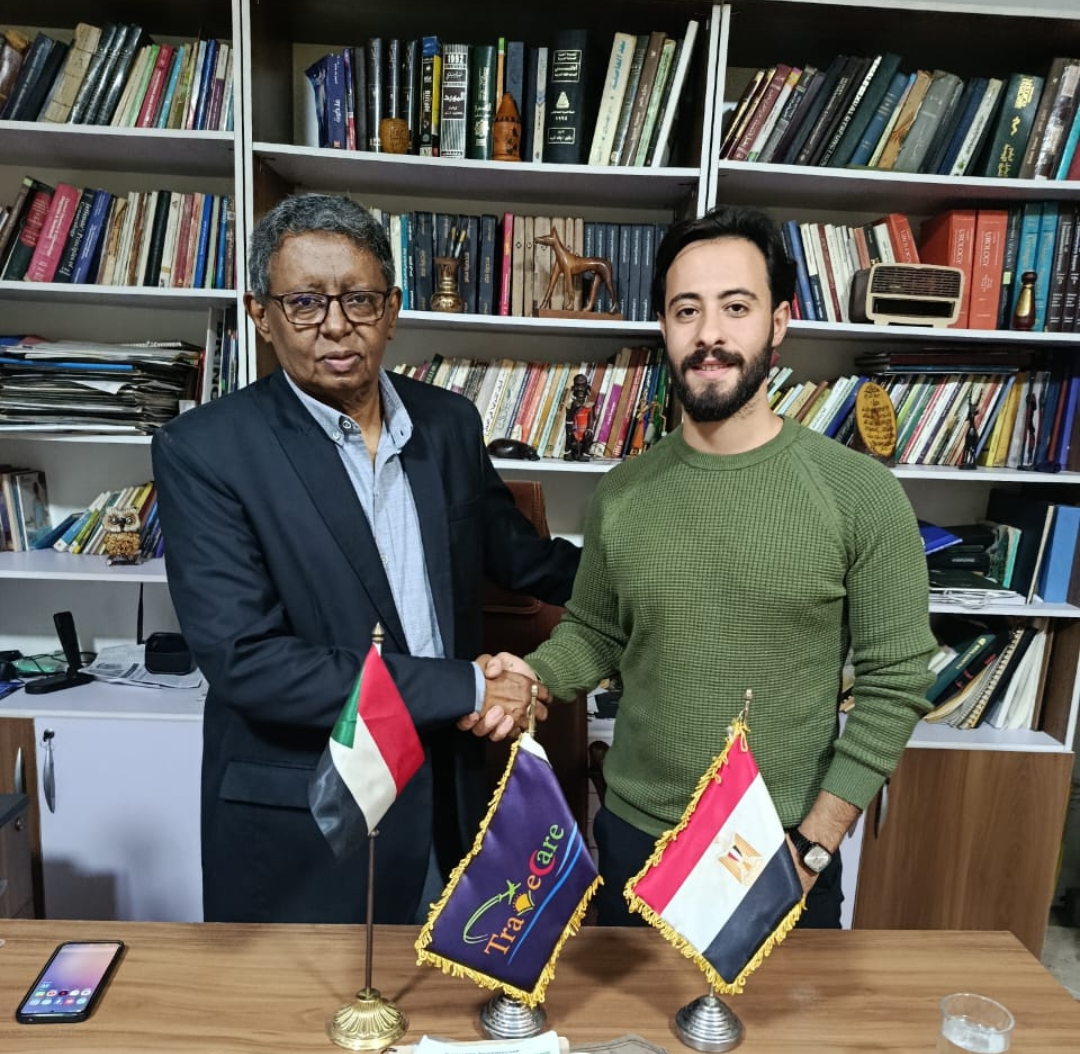
Those whom you claim restrict your freedoms or weaken your economy once stood by Egypt in its most difficult years—whether from Libya, Sudan, Yemen, Iraq, Syria, or other Arab nations that never withheld their support from Cairo in times of hardship. They were soldiers in the glorious October War; their treasuries were open to support the arming of Egypt’s army; their lands hosted our Military Academy—Sudan in particular, which embraced both men and equipment until Egypt crossed the bottleneck toward its deserved victory.
Those who incite today against the guests of great, generous, and deeply rooted Egypt—defined by its history, not by a handful of embittered agitators—are merely muddying clear waters through ignorance and by turning away from a recent history whose ink has not yet dried.
And here lies the legitimate question:
What if the entire world adopted your very idea and decided to send all Egyptians working abroad back to their homeland at once?
How many billions of dollars would Egypt lose then—funds that flow annually through remittances into the arteries of the national economy, supporting families and contributing to societal development?
Those who call today for expelling guests forget that many Egyptians themselves are “guests”—honored and respected—in other countries, earning their living with dignity and returning that goodwill to their motherland.
I say it as President El-Sisi says it:
Welcome, our dear guests.
A billion welcomes in Sudanese dialect,
Marḥabā bikum in Libyan speech,
Yā ahlan wa sahlan in the accents of the Levant,
and in every language—welcome.
A crucial line:
Fear God, and know that days and nights are ever-changing; whoever is pleased by a time may be distressed by another. And whoever believes that power or position is permanent has misunderstood the laws of history.
May God protect Egypt—its land and its people—and return you to your senses safely, before you awaken to a reality that shows no mercy to those who set fire to the body of their homeland while believing they are protecting it.



.jpg)