Why does joint pain get worse in winter?
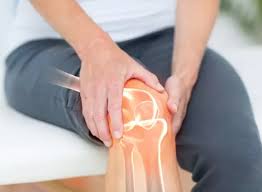


With the arrival of winter’s chill, joint pain often becomes noticeably worse for many people. Whether it is pain in the knees, stiffness in the shoulders, or swelling in the hands, the colder months can intensify these symptoms. If you are among those who experience increased joint pain in winter, you are not alone. But why does joint pain tend to worsen specifically during the winter, and what can you do to ease it? This article explores the reasons behind winter-related joint pain and offers practical tips to help you manage it during the colder season.
Joint pain is commonly associated with conditions such as arthritis, in which the joints become inflamed. When temperatures drop, several factors can contribute to worsening pain:
Cold weather tightens muscles
When the air is cold, your muscles and soft tissues tend to contract, which increases joint stiffness. This reduced flexibility can lead to increased pain or discomfort. Poor circulation in colder weather also contributes to stiffness, especially in the morning or after sitting for long periods.
Lower atmospheric pressure
Falling barometric pressure in cold weather can affect the joints. Reduced pressure can cause slight expansion of the tissues surrounding the joints, increasing pressure on joints that are already inflamed.
Reduced physical activity
During the colder months, people tend to stay indoors more and exercise less. Physical activity helps maintain muscle strength and joint mobility, so when activity levels drop, joints can become more painful and stiff. Reduced exercise may also lead to weight gain in some individuals, which adds extra stress on weight‑bearing joints such as the knees and hips.
Changes in diet and hydration
Winter often brings changes in eating habits, with lighter foods replaced by heavier “comfort” meals, and many people drink less water. Dehydration can worsen joint pain, as cartilage relies on adequate fluid intake to stay cushioned and hydrated. Poor hydration can reduce joint efficiency and make them more prone to pain.
Seasonal Affective Disorder (SAD)
Winter blues, or seasonal affective disorder, can also influence how we perceive pain. Reduced sunlight and shorter days can affect mood and energy levels, making the body more sensitive to discomfort, including joint pain.
Tips for managing joint pain in winter
While you cannot control the weather, you can take steps to protect your joints and reduce pain during the colder months. Here are some effective tips:
-
Keep yourself warm
-
Layer your clothing: Wear warm clothes, including gloves and socks, to protect your joints from the cold.
-
Use heating pads: Apply warm compresses to painful joints to reduce stiffness and improve blood flow.
-
Stay indoors when very cold: Avoid exposing your joints to extreme cold, especially early in the morning or late at night.
-
Stay active
-
Exercise regularly: Engage in low‑impact exercises such as walking, swimming, or yoga to maintain joint mobility and reduce stiffness.
-
Stretch daily: Gentle stretching improves flexibility and eases tightness around the joints.
-
Indoor workouts: On very cold days, exercise at home or use a stationary bike to stay active without going outside.
-
Follow a joint‑friendly diet
Some foods can help support joint health:
-
Include omega‑3 fats: Found in fish such as salmon and in flaxseeds, omega‑3 fatty acids have anti‑inflammatory properties.
-
Add antioxidants: Fruits and vegetables like oranges, spinach, and berries help reduce inflammation.
-
Drink bone broth: Rich in collagen, it may support joint health.
-
Limit processed foods: Reduce sugary and fried foods, as they may promote inflammation.
-
Stay hydrated
Even in winter, it is essential to drink enough water. Proper hydration helps keep the joints lubricated, reducing stiffness and pain. Warm drinks such as herbal teas can both hydrate and provide comfort in cold weather. -
Manage stress
Stress can worsen joint pain by increasing inflammation in the body. Practice relaxation techniques such as deep breathing, meditation, or gentle yoga to help control stress levels. -
Maintain a healthy weight
Excess body weight puts additional strain on weight‑bearing joints like the knees and hips. By managing your weight, you can reduce pressure on your joints and improve their function. -
Consider supplements
Some dietary supplements, such as glucosamine, chondroitin, and vitamin D, may help relieve joint pain. Always consult your doctor before starting any supplements to ensure they are safe and appropriate for you.
When to see a doctor
While mild winter‑related joint pain can often be managed with lifestyle changes, severe or persistent pain requires medical attention. Seek help if you experience:
-
Swelling, redness, or warmth around a joint
-
Difficulty moving the joint
-
Pain that interferes with your daily activities or sleep
-
Sudden, unexplained joint pain
A doctor can provide an accurate diagnosis and recommend treatment options tailored to your needs, such as medications, physical therapy, or other interventions.
Winter does not have to mean months of joint pain. By taking proactive steps such as staying warm, exercising regularly, and following a joint‑healthy diet, you can keep your joints more comfortable and functional throughout the season.



.jpg)