Accessible Health Tourism… An Important Line in the Book of Health Equity



Dear Reader,
Perhaps this is the first time you are reading about Accessible Health Tourism. It is a new concept that I introduced in 2017 to describe medical tourism and environmental tourism services provided to persons with disabilities and the elderly, in facilities specially designed to suit their health and living conditions, ensuring the delivery of high-quality care. I consider this type of health tourism one of the most important areas that deserves attention and support, because it serves a segment of society that is in urgent need of care that respects their humanity before their illness.
Globally, health tourism has evolved from merely traveling for treatment into an integrated system that brings together medicine, environment, and quality of life. However, for a long time this development was directed primarily toward the able-bodied individual: one who can move easily, travel freely, and adapt without difficulty. Here, an ethical question emerged before a professional one: where do the elderly and persons with disabilities stand in this landscape?
Accessible health tourism came as the answer to this question—not as a form of luxury, but as an ethical necessity. It is based on redesigning the entire therapeutic experience, starting with the place, passing through the service itself, and ending with the patient’s sense of safety and dignity. A prepared environment, simplified services, and humane support are not recreational or cosmetic additions; they are therapeutic elements in their own right.
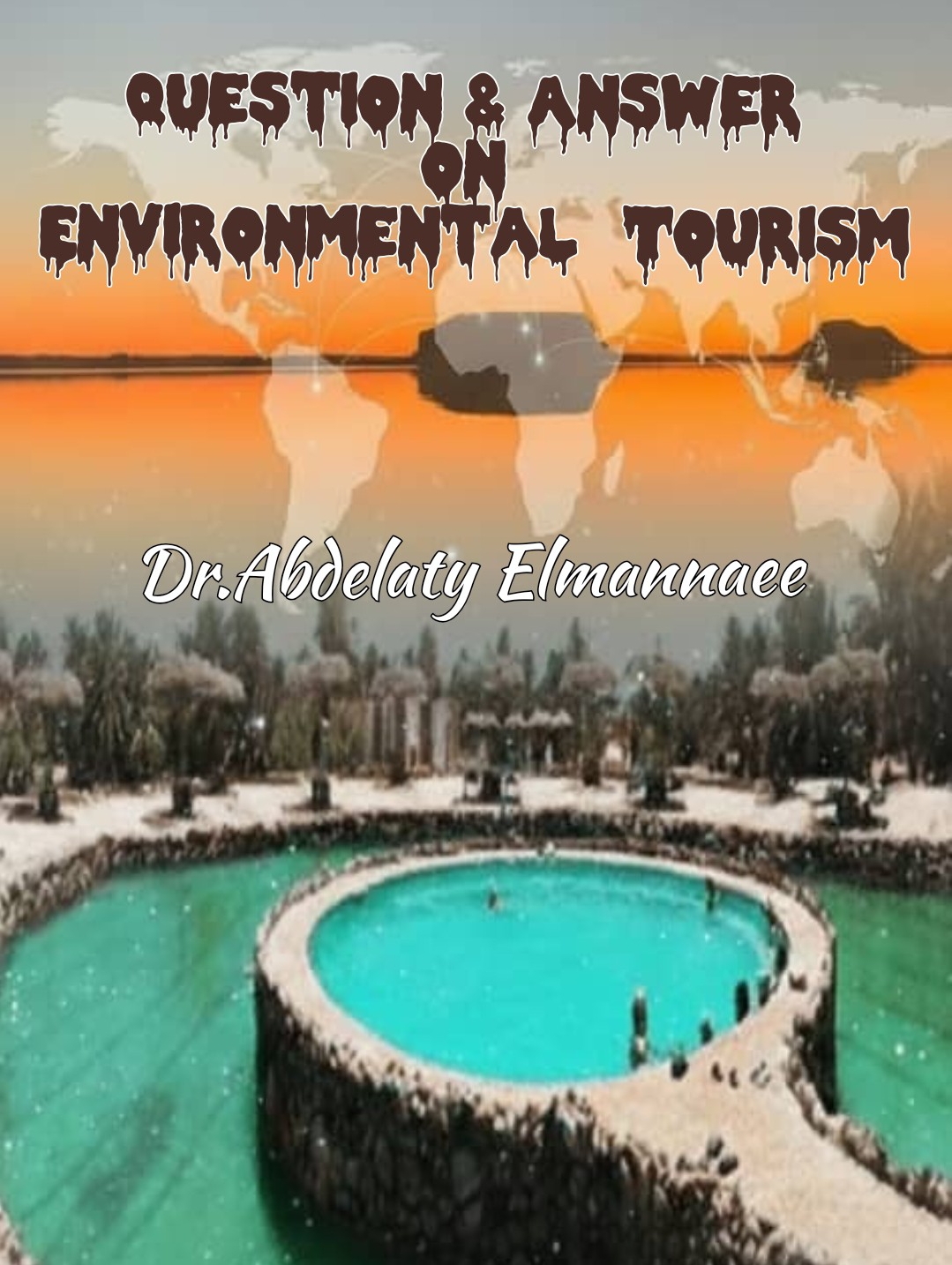
There is no doubt that accessible health tourism is closely linked to environmental tourism, where nature plays the role of a true partner in treatment, not merely a scenic backdrop. A healthy climate, mineral waters, and therapeutic sands can only achieve their real value when offered within an accessible, safe, and easily reachable environment. What is the value of a healing spring if an elderly or disabled patient cannot reach it with ease? And what is the benefit of environmental tourism if the journey to it turns into suffering?
Accessible health tourism writes an important line in the history of modern healthcare, because it restores consideration to groups that have long been placed on the margins. It affirms that the quality of treatment is not measured solely by technology, but by the extent to which human dignity is respected in a person’s weakest moments.
It is a call to understand that treatment is a right, that access to it is an inseparable part of this right, and that the most civilized societies are those that design their services to suit the weakest—not the strongest.
Important Line:
When we write this important line with sincerity, we take a true step closer to a health equity that truly deserves its name



.jpg)