International Marketing of medical and environmental Destinations


International marketing of therapeutic and healing destinations is no longer a conventional promotional activity; it has evolved into a discipline of its own—where medicine intersects with economics, tourism with psychology, and technology with reputation management. Countries seeking to export their healthcare services no longer rely solely on the quality of treatment, but on their ability to deliver an integrated “healing experience” that begins the moment a decision is made and does not end when the patient departs
At the heart of this type of marketing lies a fundamental idea: the patient is not an ordinary tourist, but a human being seeking safety before service, and trust before price. Therefore, the marketing message must be built on reassurance rather than mere attraction. Words and images here become tools of parallel psychological healing, reflecting the level of care and bridging the emotional distance between the patient and the destination
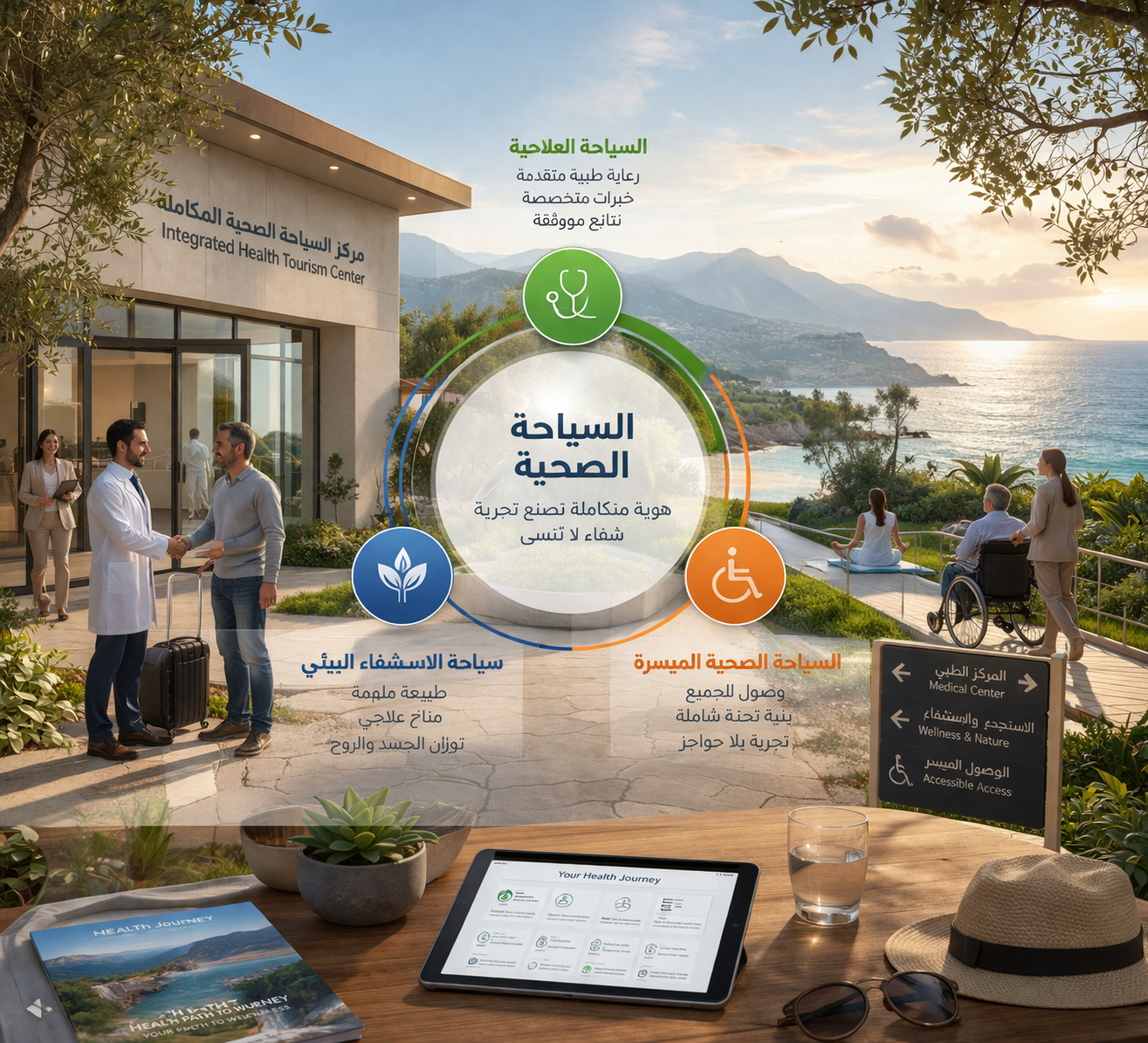
One of the key pillars of international marketing for therapeutic destinations is building a “health identity” for a country or city. Some countries have successfully established themselves as specialized destinations in specific fields—cardiac surgery, organ transplantation, oncology, or even natural healing. This identity is not built through advertising alone, but through accumulated expertise, international accreditation, and real patient stories. Here emerges what can be described as “medical diplomacy,” where hospitals act as unofficial ambassadors for their countries
However, the real challenge lies not only in attracting patients, but in managing their entire journey. Modern marketing does not merely promote a service; it orchestrates a comprehensive experience that includes reception, accommodation, translation, and post-treatment follow-up. This has led to the concept of the “therapeutic value chain,” where healthcare providers collaborate with hotels, airlines, and insurance companies to offer a seamless, worry-free experience
Technology has played a decisive role in this transformation. Today’s patient does not make decisions based on traditional advertisements, but through digital research, patient reviews, and virtual consultations. As a result, digital marketing—especially through specialized medical platforms—has become the cornerstone of reaching global markets. Websites are no longer just interfaces; they are interactive platforms offering initial consultations, showcasing real outcomes, and building bridges of trust
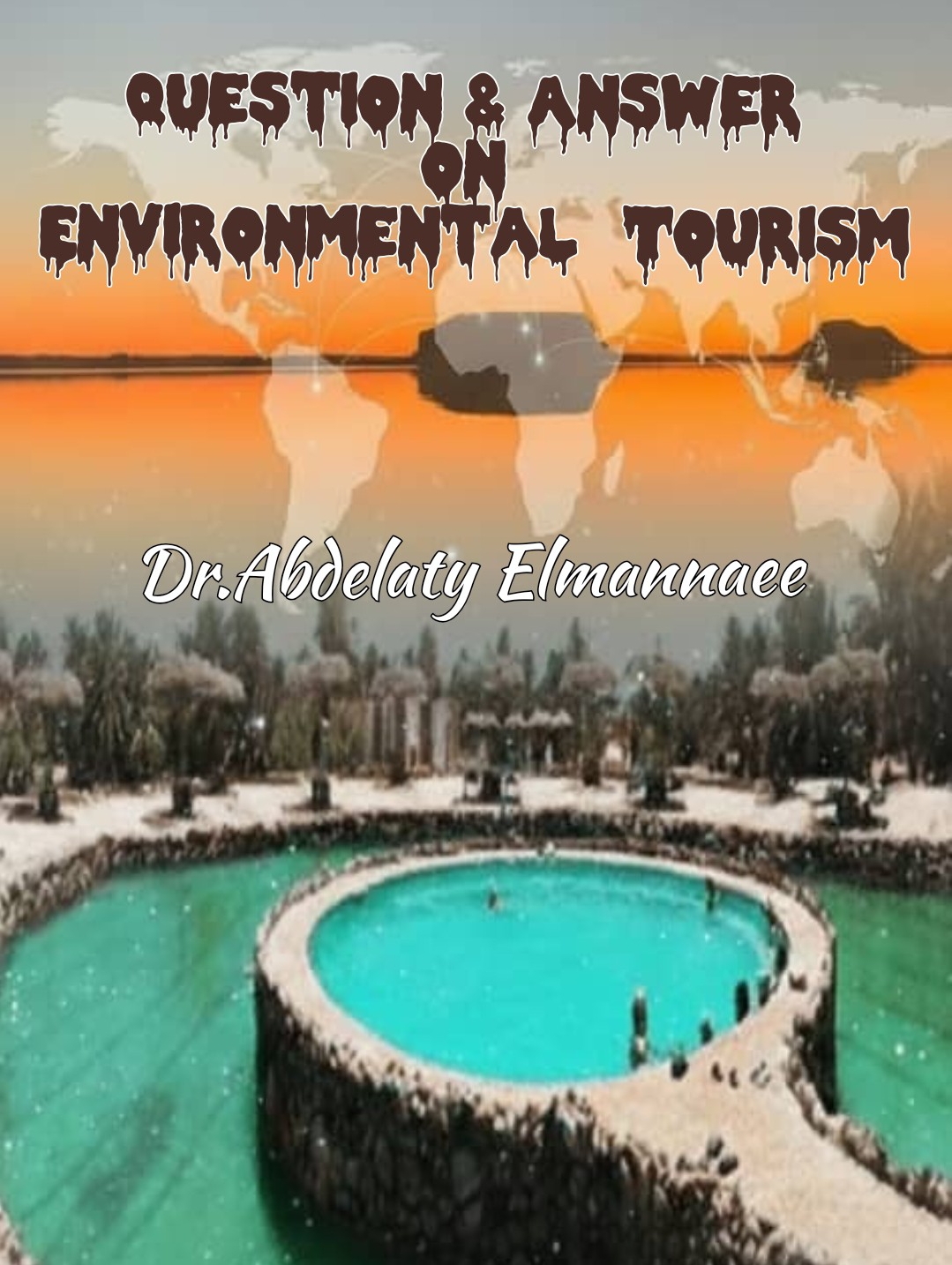
An often-overlooked aspect is that marketing in this field is not limited to purely medical services. It also encompasses natural healing destinations such as mineral springs, therapeutic climates, and tranquil ecological environments. Here, medical tourism intersects with what is known as “Environmental Tourism,” where the environment itself becomes part of the treatment rather than merely its backdrop
Nevertheless, success in international marketing requires strict adherence to standards, foremost among them transparency. Exaggerating results or concealing risks may yield short-term gains but can severely damage reputation in the long run. The international patient, shaped by experience and awareness, has become increasingly capable of distinguishing between genuine marketing and misleading claims
Global competition in this sector also compels countries to develop innovative strategies—such as targeting specific markets, offering integrated treatment packages at competitive prices, or even engaging in regional cooperation to create shared therapeutic pathways. In this context, academic institutions and training centers play a vital role in preparing specialized professionals to manage this emerging field, which is still evolving in many parts of the world
In conclusion, international marketing of therapeutic and healing destinations is not merely a tool for attracting patients; it is a comprehensive national project that reflects the strength of the healthcare system, boosts the economy, and redefines the concept of healthcare in the modern era. It represents a shift from “treating illness” to “marketing healing,” and from delivering a service to crafting a holistic human experience—one where the patient is at the center, and humanity is the ultimate message


.jpg)